chronic
-

Thanksgiving prompts reflection on showing appreciation for nurses and healthcare staff. Simple gestures like thank you notes, smiles, and small shared gifts can significantly uplift their spirits.
-

In life, you control decisions based on values. In emergencies, appoint a trusted person, like a family member, as a proxy. Create a Living Will to ensure your care preferences.
-
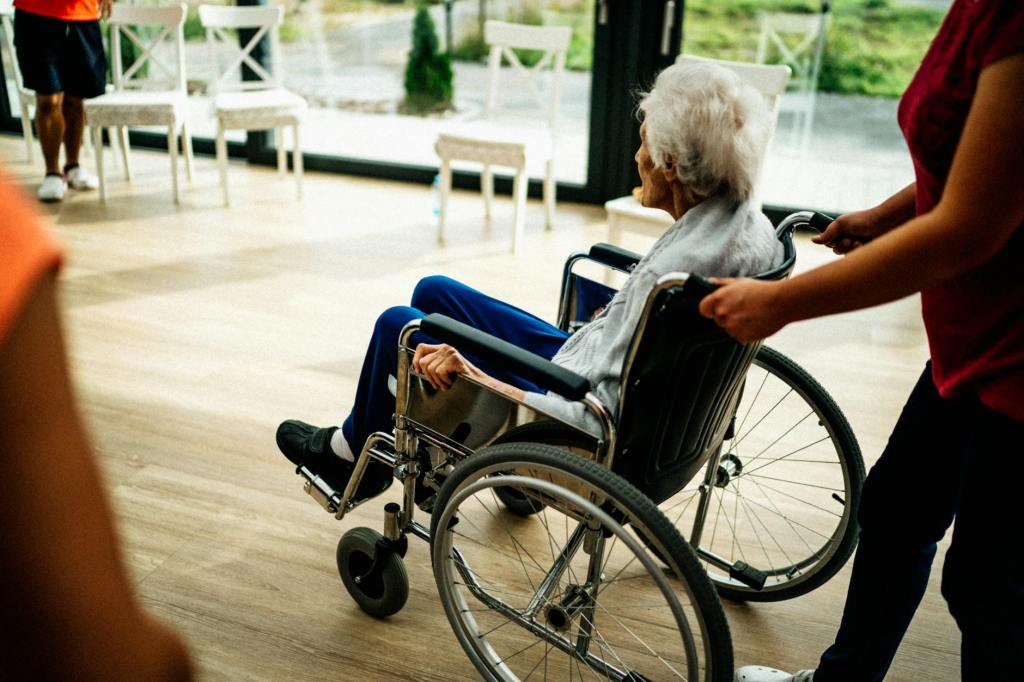
When people can’t go home from a hospital, they are often sent to a skilled nursing facility. Why can’t they go home? It’s not safe. In health terms, being safe means being able to do everyday things without help with no harm being done. Everyday things, called Activities of Daily Living (ADL), are things like
-

The biggest barrier in healthcare is communication. How can you make it easy to communicate with you? I had a job as a case manager. I had to call patients at risk of a hospitalization to try to problem solve. Maybe 10% answered the phone. This made it difficult to help, when no one would
-
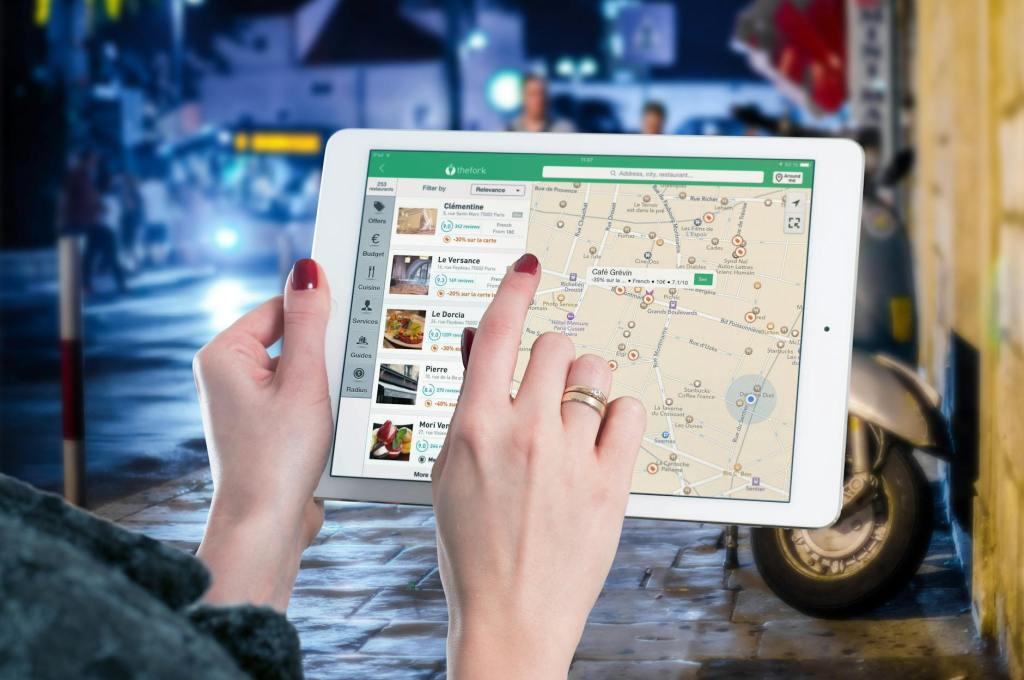
To find a primary care provider, contact your insurance for a list, ask friends, search online, and schedule appointments. Prioritize your health by finding the best fit for your needs.
-

Transparency, or being clear without anything hidden, is the way to communicate with your health team. It’s super important that you are truthful and clear with your provider. If you are hiding facts, they can’t treat you in the best way. It’s common for people to hide things they are embarrassed about. It could be
-
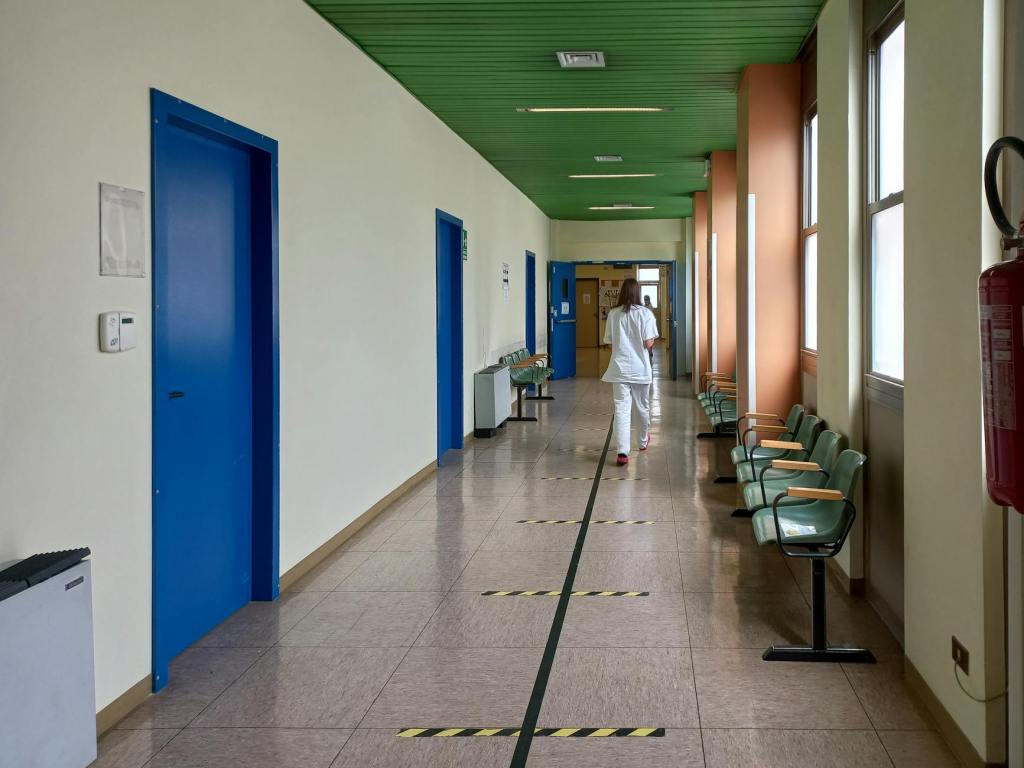
Depending on the circumstances, you need different types of healthcare. I am going to explain the differences between levels of care to help you tell the difference between an urgent care and emergency room, for example. I will list and color code them in order of healthiest to sickest care, otherwise known as acuity. Medical
-
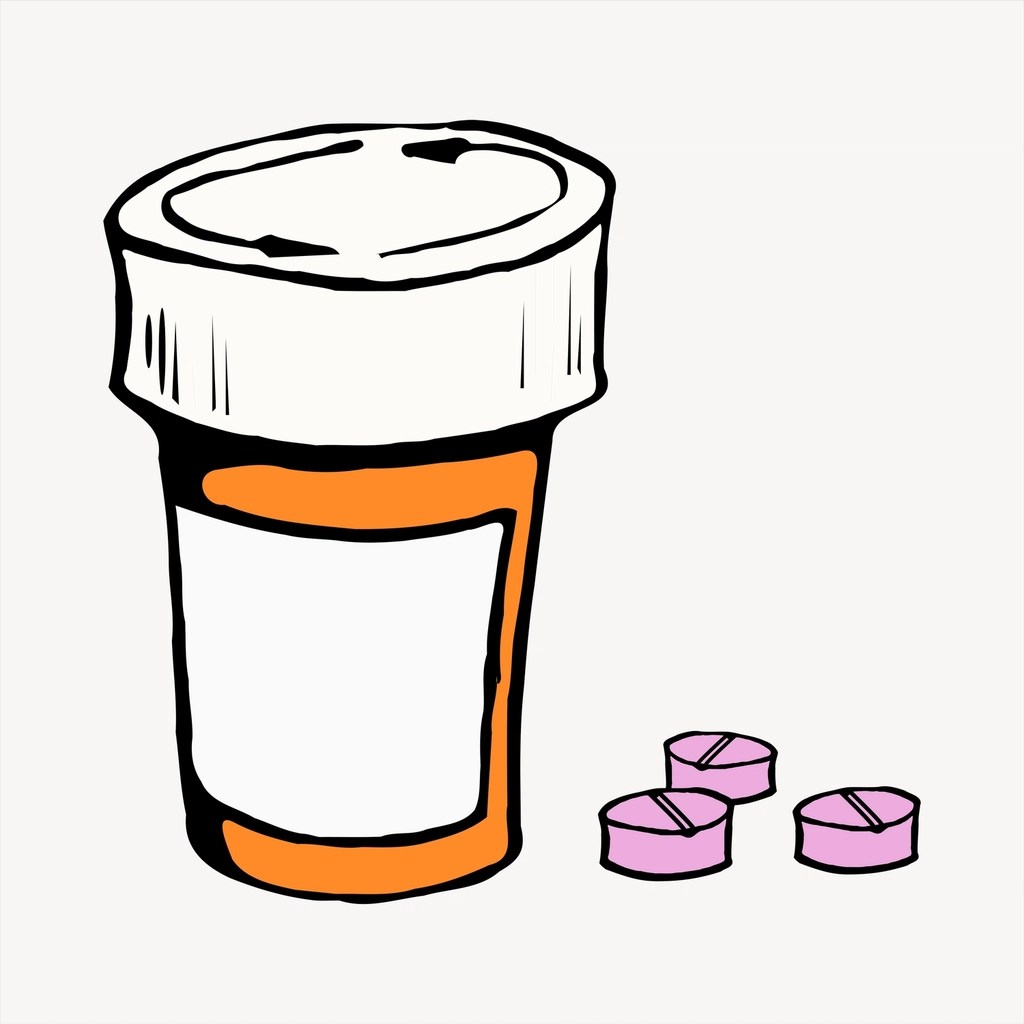
I want to break down a medication prescription. It gives the directions on how to take your meds. Metoprolol tartrate (Lopressor) 25 mg PO bid PRN. This is how the doctor will often write the script. The pharmacy will print it out in easier to understand terms. In this example, the name of the medication,
-

The medical world is full of big words that don’t mean anything unless you are in the field. The other term for this is JARGON. A lot of medical workers forget that most people aren’t familiar with the medical language they use every day. If you don’t understand, please ask them to explain in laymen’s
-

Chronic: Lasts a long time. Disease: Any negative deviation from normal function. Chronic disease: A condition that lasts 3 months or longer and may worsen over time. The opposite of chronic is acute, meaning immediate or sudden change. The opposite of disease is wellness or health. You may hear these terms in the doctor’s office
 Chronic Living Blog