As a dialysis nurse, I noticed a lot of my patients had very little understanding of their kidney disease. Here is how I presented basic kidney functions to my patients.
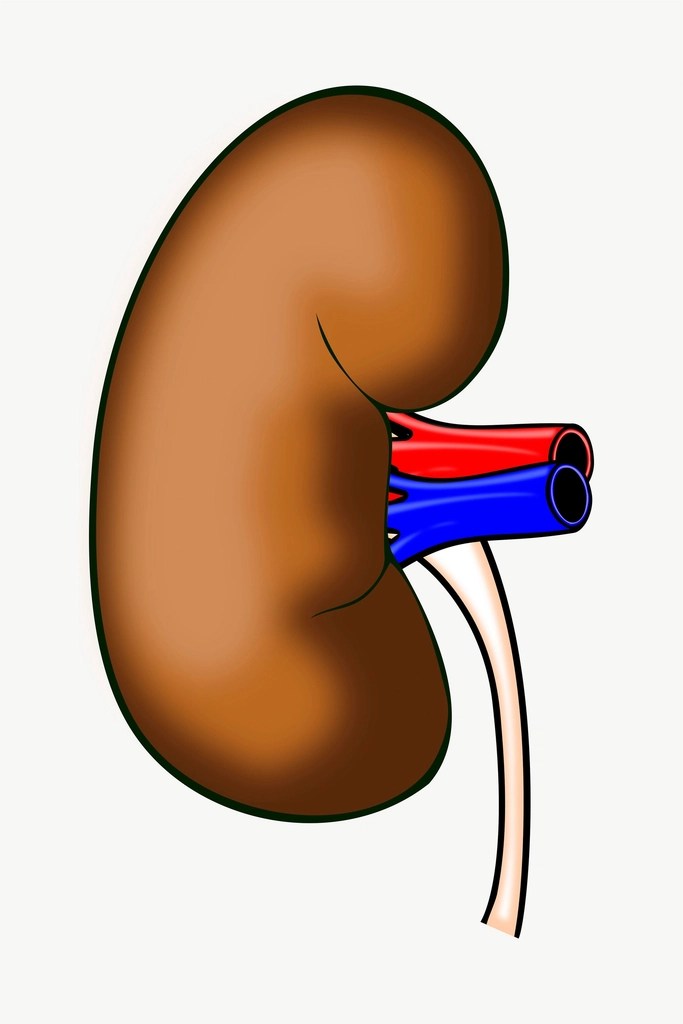
Most people are born with 2 kidneys, those beans that sit at the bottom of your back ribs. It’s common knowledge that they make the urine that you urinate. That is the most simple of explanations of their function.
Kidneys are a filter. Your blood flows through, separating out the components of your blood into electrolytes, water, protein, sugar, and urea. The waste is made up of excess water, electrolytes, and waste products, like urea. A healthy kidney holds onto the protein and sugar, but an unhealthy one might leak it. The waste drains into the bladder, where you eliminate it in the toilet.

The kidneys balance out the proper amount of water via series of triggers of electrolytes and hormones. Sodium (salt), for example, activates a system to hold on to water. That water increases blood pressure. This is one of the reasons that heart and kidney doctors advise a low salt diet. Read about the RAAS for more details.
Kidneys also maintain a balance of electrolytes and throw the extra into your urine. When kidneys don’t work right, it throws the whole body out of sync due to the sensitivity to imbalances. Potassium, sodium, and calcium affect muscle contraction, especially the heart. This is why people with kidney disease follow a special diet.
The kidneys also make hormones that tell the body to make more blood, to keep it from becoming anemic. Chronic kidney disease patients often have to take hormone replacement injections.


I am always interested in your ideas of topics. Please share them!